

Writen by
Meditron
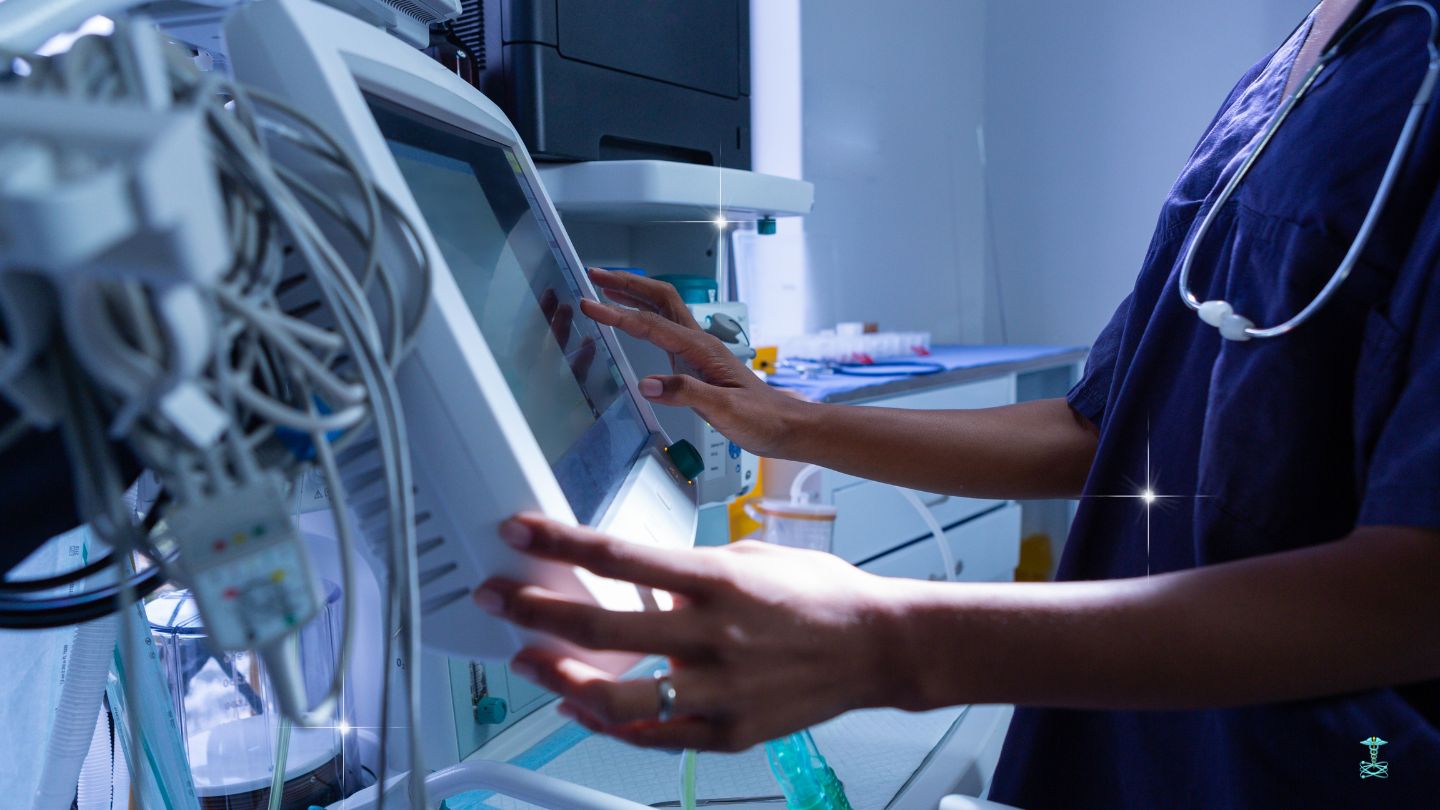
Medical equipment in Guyana is becoming more important as hospitals, clinics, laboratories and healthcare professionals continue to modernise the way they diagnose, monitor and treat patients. From diagnostic imaging systems and laboratory analysers to patient monitors, dental equipment, mobility aids and home care essentials, healthcare technology now sits at the centre of safe, efficient and reliable care delivery.
For healthcare providers, purchasing equipment is only one part of the decision. The bigger question is whether the technology can be installed properly, supported locally, maintained regularly and serviced quickly when problems arise. This is where a dependable medical equipment partner can make a measurable difference.
Why reliable medical equipment matters
Modern healthcare depends on speed, accuracy and continuity. When equipment performs well, doctors and healthcare teams are better positioned to make informed decisions. When equipment is unavailable, inaccurate or poorly maintained, workflows can slow down and patient services can be disrupted.
Reliable medical equipment supports healthcare facilities in several important ways. It helps improve diagnostic confidence, supports faster clinical decisions, reduces unnecessary delays, strengthens patient monitoring and improves the overall efficiency of healthcare operations. Whether a facility is providing routine outpatient care or critical services, equipment reliability remains essential.
The role of technology in healthcare modernisation
Across Guyana, healthcare modernisation is increasing the need for high-quality equipment and dependable technical support. Healthcare institutions are investing in better imaging systems, laboratory technologies, monitoring solutions and specialised equipment to strengthen service delivery. These investments must be matched with installation support, user guidance, preventive maintenance and long-term service planning.
Technology can transform healthcare, but only when it is matched with the right expertise. A well-selected system should be appropriate for the facility, suitable for the clinical workload, easy for staff to use and supported by a reliable service team. This ensures that healthcare providers receive not only a product, but a complete solution.
What healthcare facilities should look for
When choosing medical equipment, hospitals and clinics should look beyond price alone. Important factors include product quality, manufacturer reputation, warranty support, spare parts access, training availability, preventive maintenance requirements and the local capacity to provide technical service. The lowest-cost option can become expensive if it leads to frequent downtime or limited support.
Facilities should also consider the full lifecycle of the equipment. This includes procurement, delivery, installation, commissioning, training, routine maintenance, calibration where required, repair support and eventual replacement planning. A lifecycle approach protects the investment and helps ensure the equipment continues to serve patients effectively over time.
How Meditron INC. supports healthcare providers
Meditron INC. supports healthcare providers across Guyana with medical, laboratory and dental equipment, biomedical services and technical support. The company’s role extends beyond supplying equipment. It includes helping healthcare institutions access dependable technologies, providing biomedical engineering support and assisting facilities in maintaining equipment performance.
This combination of supply and service is important because healthcare facilities need confidence that their equipment can be supported after installation. Responsive service, proper maintenance and technical guidance all contribute to reducing downtime and improving operational reliability.
Medical equipment is a long-term investment
Every major equipment purchase should be treated as a long-term healthcare investment. A diagnostic imaging system, laboratory analyser or patient monitor should be evaluated not only by what it can do on day one, but by how well it can be maintained and supported over its useful life.
With the right technology partner, healthcare institutions can improve service capacity, protect their investment and provide more dependable patient care. As Guyana’s healthcare sector continues to grow, reliable medical equipment and professional biomedical support will remain central to building a stronger healthcare system.
Conclusion
Medical equipment in Guyana plays a critical role in strengthening healthcare delivery. By choosing dependable technologies and working with a trusted partner such as Meditron INC., healthcare providers can improve reliability, reduce downtime and support better care for the patients and communities they serve.